AI for Retail: How Independent Retailers Are Competing with the Big Box Stores
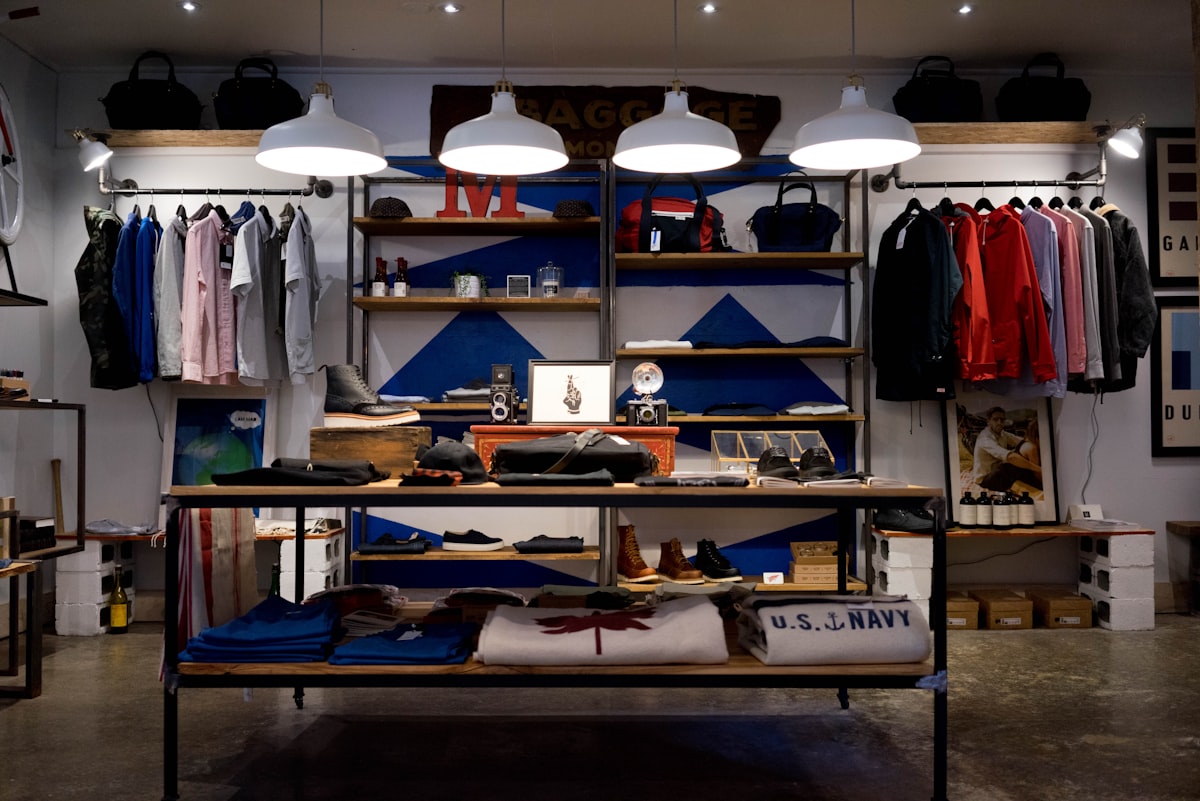
Large retailers have invested billions in AI-driven supply chains, personalization, and pricing. Independent retailers now have access to many of the same capabilities — at a fraction of the cost.
For years, the competitive advantage of large retailers over independent operators came down to two things: buying power and data. They bought more product, so they paid less. They sold more product, so they knew more about what customers wanted.
AI is reshaping that dynamic. The same capabilities that Walmart and Amazon have built at enterprise scale — demand forecasting, personalized marketing, dynamic pricing, inventory optimization — are now accessible to independent retailers through affordable SaaS tools. The playing field isn't level, but it's significantly closer than it was five years ago.
Here's where independent retailers are finding the most leverage.
Inventory Optimization and Demand Forecasting
Carrying the wrong inventory is expensive in two directions: too much ties up capital and creates markdown exposure; too little means stockouts and lost sales. Getting it right requires predicting demand accurately — which is exactly what AI does well.
AI inventory tools analyze historical sales data, seasonality patterns, local events, weather, and even social media trends to generate purchase recommendations. They identify slow-moving SKUs before they become clearance problems and flag fast-moving items before they stock out.
Real-world impact: A specialty outdoor retailer reduced inventory carrying costs by 18% while simultaneously decreasing stockout incidents by 30% — more efficient capital deployment with better product availability.
Personalized Marketing Without a Marketing Team
Large retailers have sophisticated customer data platforms and marketing automation that segments buyers and delivers personalized offers at scale. Independent retailers have historically had neither the data infrastructure nor the staff to replicate this.
AI-powered marketing tools built for small and mid-size retailers can analyze purchase history, identify customer segments, and automatically generate and send targeted campaigns — "customers who bought X tend to also buy Y," re-engagement campaigns for lapsed customers, VIP programs for high-value buyers — with minimal ongoing staff involvement.
Pricing Intelligence
Understanding how your prices compare to competitors — and adjusting strategically — used to require significant manual monitoring. AI pricing tools can monitor competitor pricing continuously and recommend adjustments based on your margin targets, inventory position, and competitive positioning.
For categories where you want to be price-competitive, this is invaluable. For categories where you have a genuine differentiation (exclusive products, superior service, unique expertise), it helps you identify where you can hold margin.
Customer Service Automation
AI-powered chat tools can handle a significant portion of routine customer inquiries — store hours, return policies, product availability, order status — without staff involvement. This is particularly valuable for e-commerce operations where customers expect 24/7 responsiveness that staffed operations can't economically provide.
The staff time freed up by handling routine inquiries automatically can be redirected to the high-touch interactions that actually build customer loyalty.
Loss Prevention
AI-powered video analytics can identify suspicious behavior patterns in real time — a significant capability for retailers who have experienced shrinkage but can't justify full-time loss prevention staff. The system flags events for review rather than requiring continuous monitoring.
Workforce Scheduling
Matching staffing levels to traffic patterns is as important in retail as in restaurants. AI scheduling tools that integrate foot traffic data, historical sales patterns, and local events can generate schedules that put the right number of people on the floor during busy periods without over-staffing during slow ones.
The Independent Advantage
Here's the thing large retailers can never replicate: the relationships and community presence that independent retailers build with their customers. AI doesn't compete with that. It removes the operational inefficiencies that prevent independent retailers from doing more of it — serving customers better, curating more thoughtfully, and focusing energy on the experience rather than the logistics.
The retailers who adopt these tools aren't becoming more like Amazon. They're becoming better at being themselves.